Let’s Talk About It Tuesday: Space Exploration and the Power of STEAM
Let’s Talk About It Tuesday:
Space Exploration and the Power of STEAM
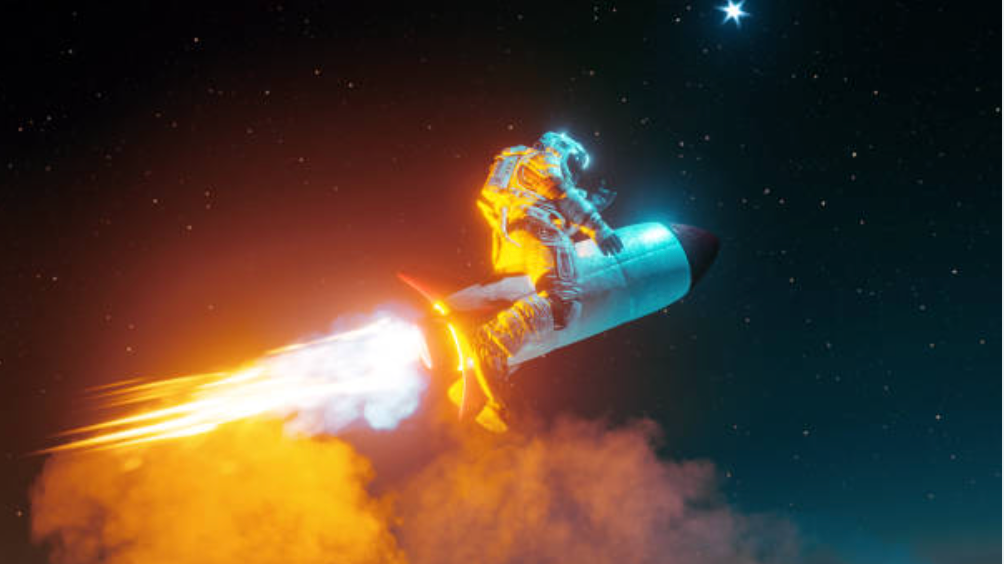
Let’s explore how each part of STEAM helps us reach beyond our planet and why the lessons we learn in space impact life on Earth.
Space isn’t just about stars and rockets, it’s about human curiosity and the limitless drive to learn. Every space mission represents decades of science, art, and engineering working together toward one goal: discovery.
Science: Unlocking the Unknown
Space science begins with wonder. Astronomers, chemists, and physicists study everything from black holes to the origins of life. Each experiment, telescope image, and data point gives us clues about who we are and where we come from. Science is the key that opens the door to galaxies we’ve never seen.
Technology: Tools of Exploration
From the James Webb Space Telescope to Mars rovers, technology turns dreams into discoveries. Sensors, robotics, and AI systems allow us to explore space without leaving Earth. Today, satellites help us predict weather, monitor forests, and connect the world through communication systems, all born from space technology.
Engineering: Building Beyond Limits
Space engineering is one of the most challenging fields in STEAM. Every rocket, satellite, and spacecraft must survive extreme heat, radiation, and zero gravity. Engineers test, redesign, and test again because one small error can make or break a mission. Engineering teaches resilience: the courage to try, fail, and improve.
Arts: The Creative Force Behind Exploration
Art gives space exploration meaning. It’s what turns data into inspiration. Whether it’s concept art of future colonies on Mars or the way movies like Interstellar visualize black holes, the Arts help people connect emotionally with science. Art invites everyone, scientists and dreamers alike, to imagine what’s possible.
Math: Calculating the Cosmos
Space wouldn’t exist without math. Every orbit, trajectory, and distance must be calculated precisely. Even a fraction of a degree off can send a spacecraft thousands of miles off course. Math keeps missions on track and keeps humanity’s dream of exploration alive.
Let’s Keep the Conversation Going
If you had the chance to travel to space, what would you want to discover first?
Space reminds us that with curiosity, creativity, and courage, there are no limits.