Let’s Talk About It Tuesday: Biotechnology & Genetic Innovation — Science at the Cellular Level
Let’s Talk About It Tuesday:
Biotechnology & Genetic Innovation
Science at the Cellular Level
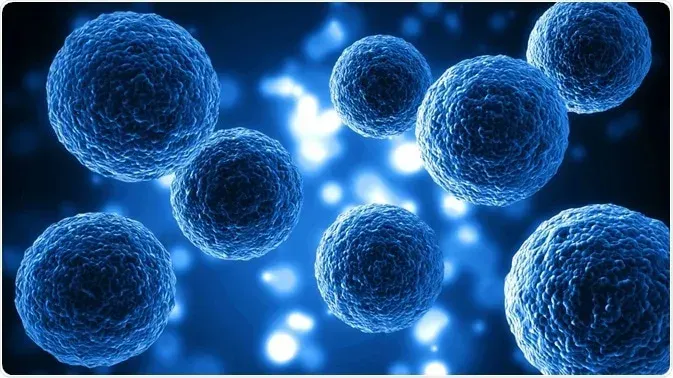
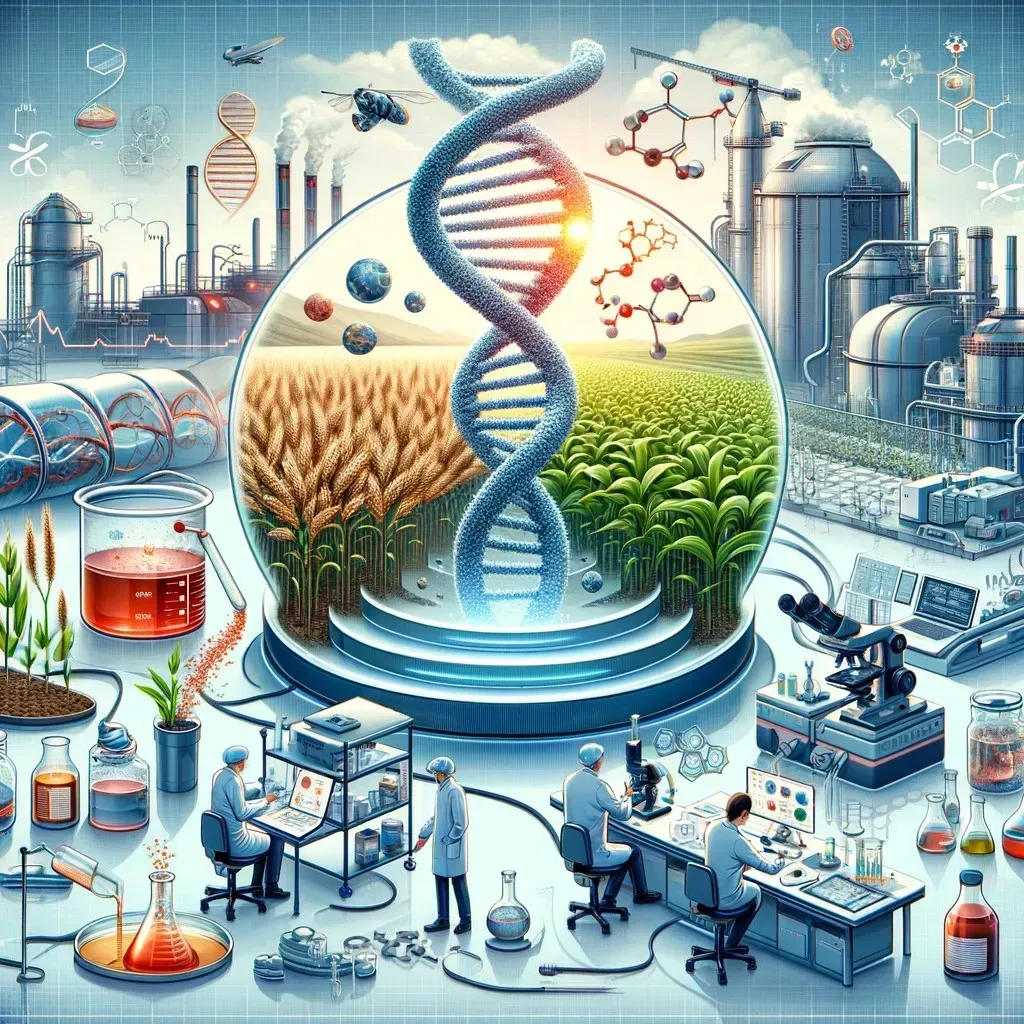
Biotechnology is rapidly advancing medicine, agriculture, and environmental sustainability. From gene therapies that target rare diseases to lab-grown materials that reduce environmental strain, biotechnology demonstrates how deeply science and engineering intersect. STEAM education ensures students understand both the scientific principles and ethical implications of working at the genetic level.
Biological science provides the foundation through the study of DNA, cellular behavior, and genetic mutation. Technology accelerates research through gene sequencing tools and advanced laboratory automation systems that allow scientists to analyze complex data quickly. Engineering applies biological discoveries to real-world solutions, such as bio-manufacturing processes and targeted drug delivery systems. Mathematics supports genetic modeling, probability analysis, and research validation, ensuring accuracy in experimentation. The arts contribute by translating complex biological concepts into accessible visuals and fostering public dialogue about responsible innovation.
As biotechnology becomes more integrated into everyday life, educational programs must prioritize scientific literacy alongside ethical awareness. Students entering this field will be shaping medical treatments, food production systems, and environmental solutions for decades to come.
Key Focus Areas for Students:
- Building strong foundations in biology and chemistry
- Understanding gene sequencing and lab technology
- Exploring ethical implications of genetic editing
- Strengthening research and data analysis skills
Let’s Talk About It:
Where should genetic innovation draw ethical boundaries, and how can education prepare students for careers in biotechnology responsibly?