Let’s Talk About It Tuesday: Digital Twins — Simulating the Real World for Smarter Innovation
Let’s Talk About It Tuesday: Digital Twins
Simulating the Real World for Smarter Innovation
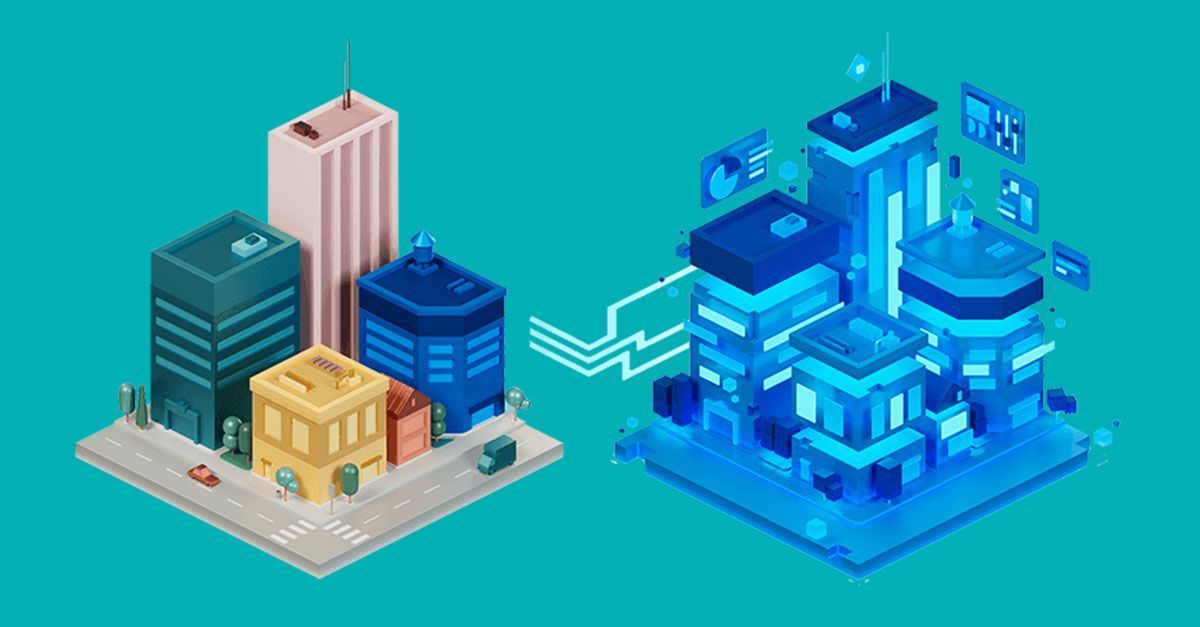
Digital twin technology is changing how industries design, test, and improve systems before they are ever built in the real world. A digital twin is a virtual replica of a physical object, system, or environment that allows engineers, scientists, and innovators to simulate performance, predict challenges, and optimize outcomes. From smart cities and manufacturing plants to healthcare systems and aerospace design, digital twins are helping organizations make smarter, data-driven decisions.
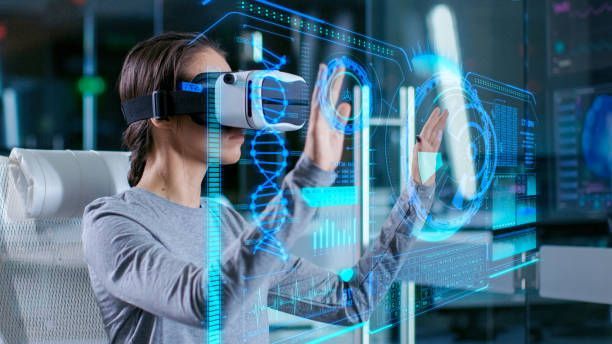
At the foundation of digital twin technology is scientific modeling. Physics helps predict how structures respond to stress, climate, or motion. Environmental science informs how cities handle energy usage and sustainability goals. In healthcare, biological data can be modeled to simulate treatment outcomes. Technology enables real-time data collection through sensors and IoT devices that feed live information into virtual systems. Engineering ensures that the digital model mirrors the physical system accurately, creating reliable simulations that can guide real-world improvements. Mathematics drives the predictive algorithms, performance analytics, and optimization models that make simulations precise. The arts play a powerful role as well, shaping intuitive visual dashboards and immersive interfaces that allow users to interact with complex data in accessible ways.
For students, digital twin technology represents the power of interdisciplinary learning. It demonstrates how coding, physics, design, and analytics intersect to solve real-world challenges. Learning about simulation systems teaches critical thinking, systems analysis, and forward-looking problem-solving skills that are increasingly valuable across industries.
Key Focus Areas for Students:
- Understanding systems thinking and modeling concepts
- Exploring data analytics and real-time monitoring tools
- Learning basic coding and simulation software principles
- Developing visualization and design skills for complex data
Let’s Talk About It:
How could digital twin technology improve your community or school systems, and what skills should students start building now to lead in this space?